
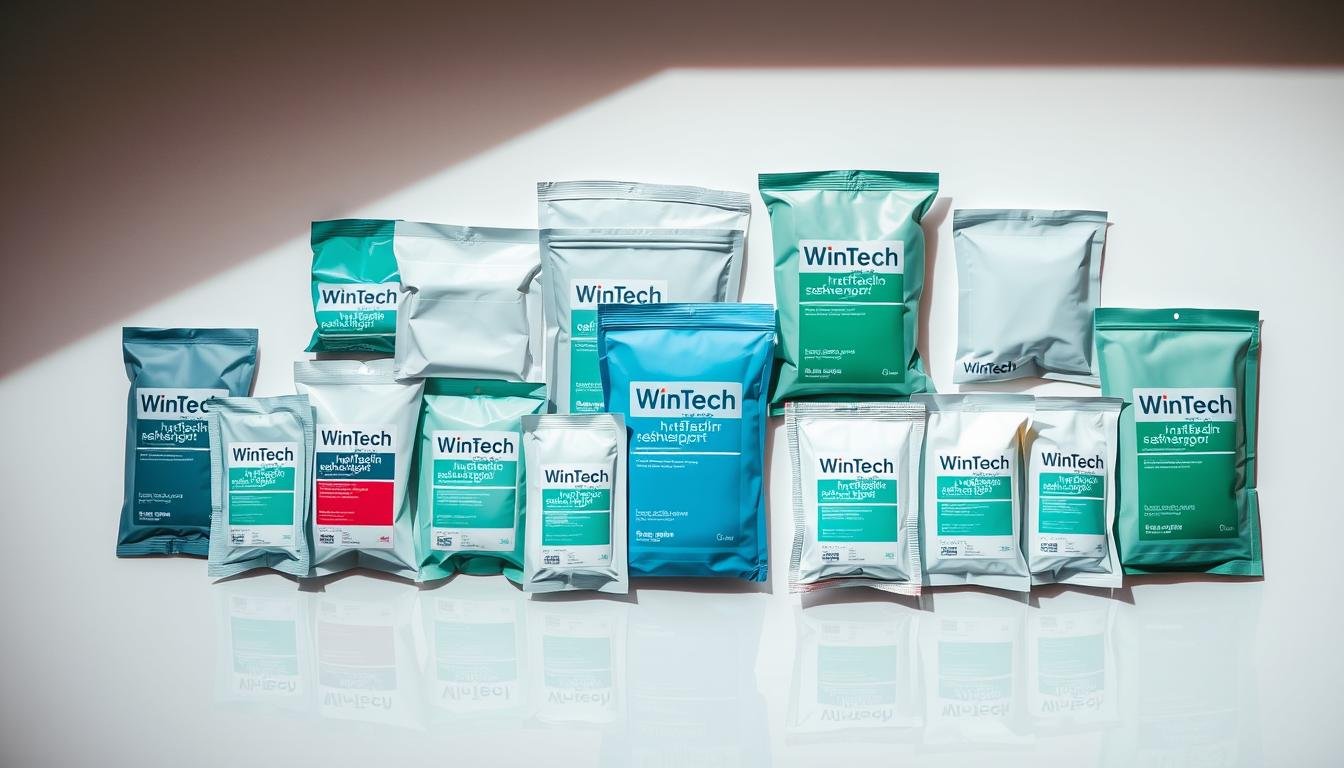

Have you ever wondered how tiny packets of product manage to keep contents perfectly preserved and sanitary? What are sachets, and why are they revolutionizing packaging across multiple industries?
What are sachets? These small, sealed single-use packets represent a game-changing packaging solution designed to deliver precise product quantities while maintaining exceptional hygiene standards. Sachets serve numerous industries, from food and pharmaceuticals to personal care, offering consumers convenient and controlled product dispensing.
What are sachets used for in modern manufacturing? They provide an innovative approach to packaging that ensures product integrity, reduces waste, and meets rigorous FDA sanitation requirements. Wintech Package, a leader in sachet packaging, demonstrates how these single-use packets can transform product distribution strategies.
The versatility of What are sachets packaging allows manufacturers to create compact, lightweight solutions that protect product quality and extend shelf life. Whether containing powders, liquids, or granules, sachets represent a modern approach to efficient and hygienic product delivery.
Key Takeaways
- Sachets are small, sealed packets designed for precise product delivery
- Single-use packets meet strict FDA sanitation standards
- Versatile packaging solution for multiple industries
- Reduces product waste and enhances portability
- Provides controlled product dispensing
What are Sachets and How Do They Work?
Sachets are small, lightweight packaging solutions that have revolutionized product distribution across multiple industries. These compact containers provide a convenient and efficient way to package various products, from cosmetics to food items. Understanding what are sachets can help you appreciate their versatility and importance in modern packaging.
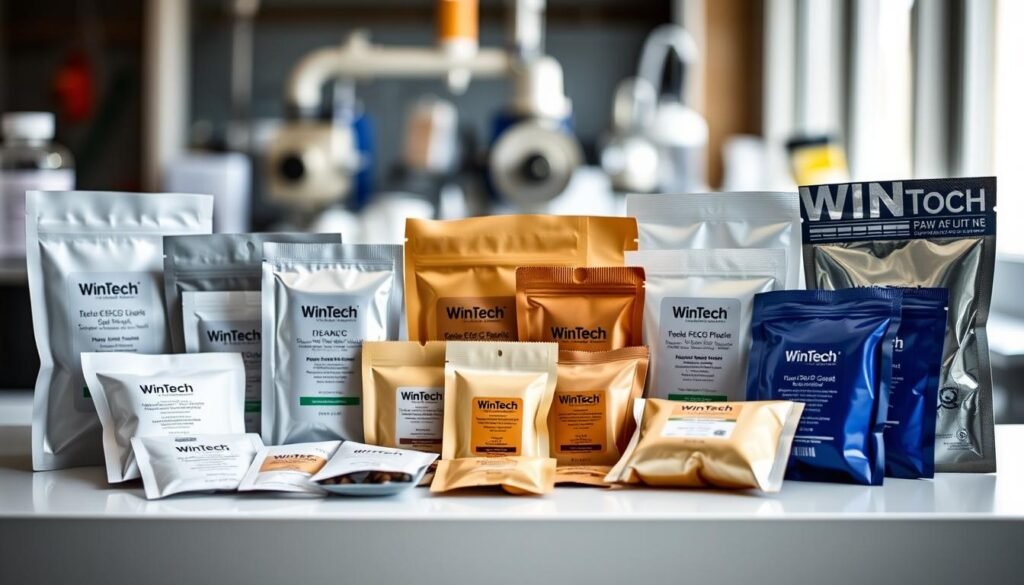
When exploring what are sachets, you’ll discover they differ significantly from traditional packets. Sachets vs packets show key distinctions in design and functionality. These small pouches are engineered to protect and preserve contents while offering maximum convenience to consumers.
Definition and Purpose of Sachets
Sachets serve multiple purposes across different sectors. For cosmetics, sachets for cosmetics provide single-use packaging that maintains product freshness and reduces waste. Their compact design allows for precise product measurement and hygienic distribution.
- Protect product integrity
- Ensure single-use convenience
- Minimize product contamination
- Reduce packaging waste
Common Uses of Sachets
Food sachets have become increasingly popular in the culinary and beverage industries. They offer portion-controlled packaging for condiments, seasonings, and instant drink mixes. Manufacturers appreciate sachets for their ability to extend product shelf life and provide consumers with convenient, easy-to-use options.
“Sachets represent the future of smart, efficient packaging solutions across multiple industries.” – Packaging Innovation Magazine
Materials Used for Sachets
Modern sachets are crafted from various materials, including biodegradable options. These packaging solutions can be made from aluminum, plastic, paper, or composite materials depending on the specific product requirements. The choice of material impacts product preservation, environmental sustainability, and overall packaging performance.
By understanding what are sachets, you can appreciate their role in modern product packaging and distribution strategies.
Benefits of Using Sachets in Packaging: What are Sachets’ Advantages?
Sachets have revolutionized product packaging across multiple industries, offering innovative solutions for businesses and consumers alike. Understanding what are sachets reveals a versatile packaging option that delivers multiple strategic benefits for modern manufacturers and end-users.
When exploring what are sachets, several key advantages emerge that make them an exceptional packaging choice:
Convenience and Portability
Sachets for samples provide unparalleled convenience for consumers. These lightweight, compact packages allow easy transportation and single-use consumption. Whether you’re traveling, exercising, or needing a quick product trial, sachets deliver precise portions without bulk or waste.
- Compact size for easy carrying
- Perfect for on-the-go consumption
- Ideal for product sampling
Enhanced Shelf Life
Different sachet types offer exceptional product preservation. Biodegradable sachets protect contents from moisture, oxygen, and external contaminants. This packaging approach significantly extends product shelf life while maintaining quality and freshness.
Cost-Effectiveness of Sachets
Manufacturers appreciate sachets for their economic advantages. These packaging solutions reduce material costs, minimize production expenses, and enable efficient automated filling processes.
| Packaging Aspect | Sachet Advantage |
|---|---|
| Material Usage | Minimal material requirement |
| Production Speed | High-speed automated filling |
| Waste Reduction | Precise portion control |
By selecting the right sachet design, your business can optimize packaging efficiency, reduce costs, and enhance customer satisfaction.
FDA Sanitation Standards for Sachets: What are Sachets’ Compliance Requirements?
When exploring what are sachets in the packaging industry, understanding FDA sanitation standards becomes crucial. The Food and Drug Administration sets rigorous guidelines to ensure product safety and consumer protection. These standards cover every aspect of sachet packaging, from material selection to final production processes.
Understanding Regulatory Compliance
Sachets in marketing must meet strict FDA regulations that guarantee product integrity. Your packaging strategy needs to incorporate tamper-evident features and precise labeling. Manufacturers like Wintech Package invest significant resources in maintaining these high-quality standards to protect consumer health and build brand trust.
Hygienic Production Techniques
What are sachets without proper hygiene protocols? Sterile environments and meticulous quality control are essential in sachet packaging. The FDA requires comprehensive documentation of manufacturing processes, including material testing and process validation. These steps ensure each sachet meets the highest safety and quality benchmarks.
Quality Assurance Protocols
Implementing robust quality assurance measures goes beyond basic compliance. Your sachet production must demonstrate consistent performance through detailed record-keeping and ongoing monitoring. By adhering to Good Manufacturing Practices, businesses can create packaging solutions that not only meet but exceed FDA sanitation requirements.